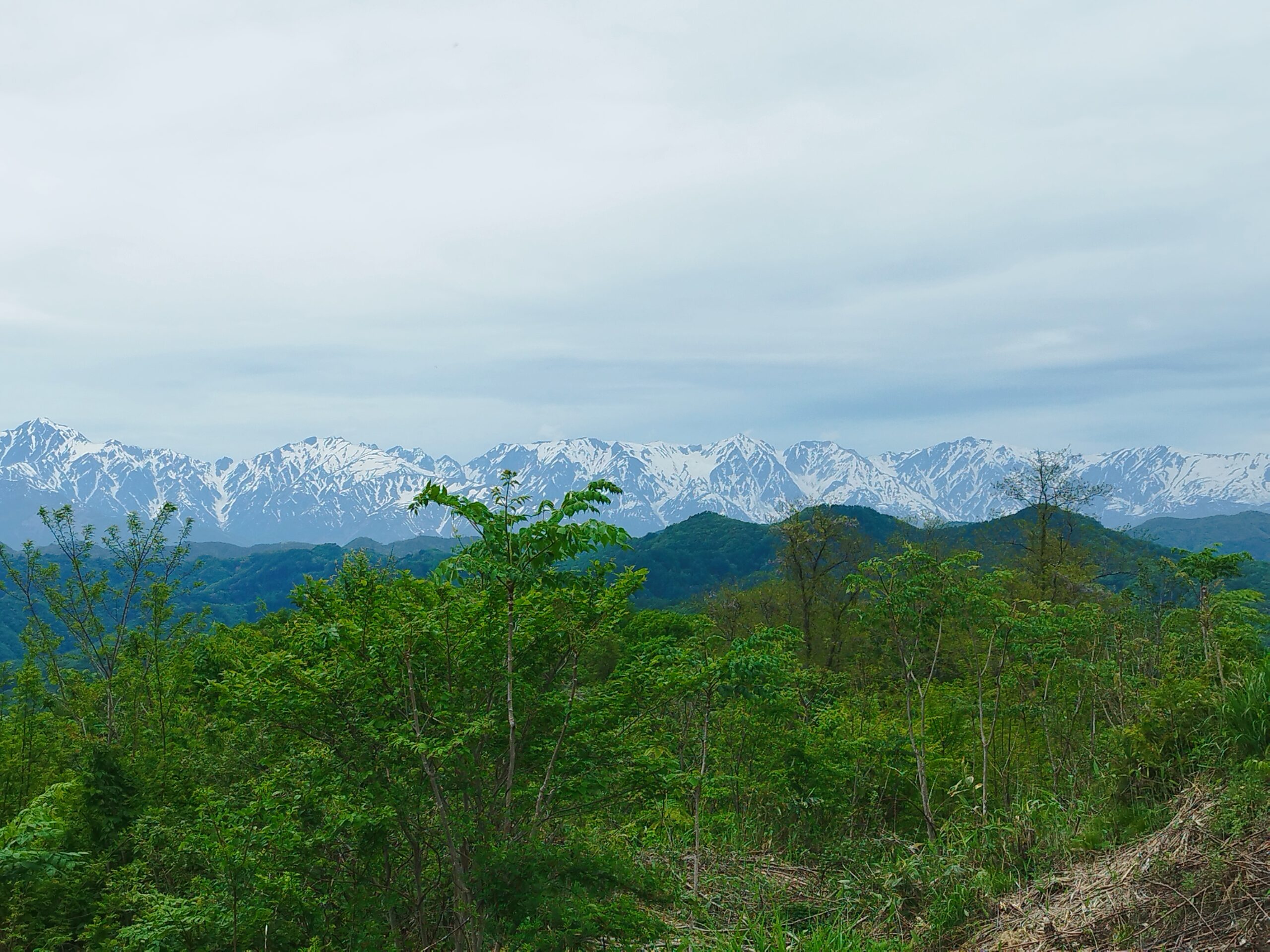
Nagano Prefecture sits in the heart of the Japanese Alps. Crisp mountain air, world-class ski resorts, UNESCO-listed Shirakawa-go within reach, and a Shinkansen line that connects you to Tokyo in under 90 minutes — it’s no wonder that a growing number of foreigners are asking the same question: can I actually buy a house here?
The short answer is yes. Japan has no restrictions on foreign nationals purchasing real estate, and Nagano is one of the most accessible regions to buy in, thanks to a large stock of affordable vacant properties and a landscape that has drawn international buyers for decades — particularly around Hakuba, Karuizawa, and Nozawa Onsen.
But the process has real complexity. Paperwork is in Japanese. Banks don’t always lend to non-residents. And navigating the legal structure of a purchase without the right support can be stressful, expensive, and slow.
This guide cuts through the noise. Whether you’re looking for a ski chalet in Hakuba, a remote countryside home to renovate, or a long-term investment in one of Japan’s most beautiful regions, here’s everything you need to know about buying property in Nagano as a foreigner in 2025.
Can Foreigners Buy Property in Japan?
Yes — with no restrictions. Japan is one of the few countries in Asia where foreign nationals can purchase land and buildings with full ownership rights, regardless of visa status or residency. You do not need to be a permanent resident, and there is no requirement to live in the property.
This applies to all property types: residential homes, land, commercial buildings, and vacant properties (akiya). Once purchased, the property is registered in your name at the local Legal Affairs Bureau (法務局), giving you the same ownership rights as any Japanese national.
What you do need:
- A valid passport (and residence card if you live in Japan)
- A Japanese bank account (highly recommended; required by most sellers)
- A personal seal (hanko) or signature — foreign nationals can use a signature-based registration
What you don’t need:
- A Japanese visa or residency status
- Permission from the government
- A Japanese spouse or co-buyer
Why Nagano? The Case for Buying Here
Nagano isn’t just scenically beautiful — it’s strategically positioned for international buyers in ways that other rural Japanese regions aren’t.
Access is easy. The Hokuriku Shinkansen reaches Nagano Station from Tokyo in around 80 minutes. Hakuba is a further 60-minute drive. For buyers flying in from Europe or North America, Tokyo Narita and Haneda both offer same-day access.
The ski market is established. Hakuba hosted the 1998 Winter Olympics and remains one of Asia’s premier ski destinations. A robust short-term rental market — particularly on Airbnb and through specialist ski property agencies — means purchase investments can generate income during snow season.
Prices are still accessible. Unlike Niseko in Hokkaido, where foreign investment has pushed prices significantly higher, Nagano’s market still offers genuine value. Traditional farmhouses (minka), mountain chalets, and renovated townhouses are available across a wide price spectrum, from under ¥5 million to well over ¥100 million.
The akiya opportunity is real. Japan has a well-documented vacant house problem — roughly 9 million properties sit unoccupied nationwide (as of the 2023 government survey), and Nagano is no exception. These properties, listed through municipal akiya banks, are often sold at dramatically reduced prices, sometimes below ¥1 million. The trade-off is that many require significant renovation, but for the right buyer, they represent extraordinary value.
Step-by-Step: How to Buy a House in Nagano as a Foreigner
Step 1: Define Your Budget and Goals
Before you start browsing listings, get clear on two things: what you can spend, and what you want the property to do.
Are you buying a second home for personal use? An investment property to rent out during ski season? A long-term retirement base? A renovation project? Each goal points to different types of properties and different locations within Nagano Prefecture.
A realistic budget breakdown for a standard purchase might look like this:
| Item | Approximate Cost |
|---|---|
| Property purchase price | ¥5M – ¥80M+ (varies widely) |
| Agent commission | 3% + ¥60,000 + tax (for properties over ¥8M) / capped at ¥300,000 + tax (for properties ¥8M or under — revised July 2024) |
| Registration and stamp taxes | ~1–2% of purchase price |
| Judicial scrivener (司法書士) fee | ¥100,000 – ¥200,000 |
| Renovation (if needed) | ¥500,000 – ¥10M+ |
| Annual property tax | Varies by size and location |
Rule of thumb: budget an additional 7–10% on top of the purchase price to cover all transaction costs.
Step 2: Search for Properties
There are several channels for finding properties in Nagano:
General real estate portals:
- Suumo — Japan’s largest portal, mostly in Japanese
- At Home — similar to Suumo
- Homes.co.jp
Akiya (vacant house) banks:
- Nagano Prefecture’s official akiya bank: 長野県空き家バンク
- Individual municipalities also run their own akiya banks — Hakuba, Otari, Matsumoto, and others
International-facing platforms:
- Japan Property Central
- Real Estate Japan
- Specialist Hakuba agencies with English-language listings
The challenge for most foreign buyers is that the majority of listings — particularly for akiya — are in Japanese only, with limited photos and vague descriptions of condition. This is where local, bilingual support makes a measurable difference.
Step 3: Engage a Bilingual Agent or Support Service
This is the step most buyers underestimate.
Japan’s real estate licensing system (宅地建物取引士 / licensed realtor) requires that all formal property transactions be handled by a licensed agent. However, many licensed agents in Nagano do not speak English, and very few have experience working with international buyers.
There are two main options:
Option A: Use a licensed Japanese real estate agency Most transactions go through a licensed estate agent (不動産会社). They are legally required to provide a document called the 重要事項説明書 (Jūyō Jikō Setsumeisho) — a disclosure document explaining the property’s legal status, boundaries, and known issues. This document is in Japanese. Without translation support, buyers often sign without fully understanding what they’re agreeing to.
Option B: Use a bilingual support service alongside the licensed agent Some services specialize in supporting foreign buyers through the purchase process — coordinating with the estate agent, translating key documents, accompanying clients to property viewings and meetings, and helping navigate communication throughout. This is particularly valuable in rural Nagano, where English-speaking licensed agents are rare.
👉 Re:START | Nagano Bilingual Property Support offers exactly this kind of end-to-end bilingual support for foreign buyers in the Nagano area. From initial property search to contract signing, we help you understand every step — in plain English.
Step 4: Property Viewing and Due Diligence
Once you’ve identified a property, viewing it in person is strongly recommended — especially for older properties and akiya. Japanese listings often show only the best rooms, and older homes can have serious structural, mold, or maintenance issues that aren’t immediately obvious.
Key things to assess during a viewing:
- Roof condition (tile vs. metal; signs of damage or leaking)
- Water and sewage connections (some rural properties use cesspool/septic — this affects maintenance costs)
- Heating systems (older properties may have no central heating)
- Foundation and structure (especially for properties built before the 1981 earthquake resistance standard update)
- Road access and legal road frontage (some rural properties have no legal road access — this can block construction or resale)
For properties where you have serious interest, consider hiring a building inspector (ホームインスペクター). This is not legally required in Japan but is strongly advisable for older properties. Inspections typically cost ¥50,000–¥70,000 for a standard visual inspection, and ¥100,000+ for detailed surveys including roof space and subfloor access.
Step 5: Make an Offer and Sign the Purchase Agreement
If you’re happy with the property, the process moves to an offer and then a formal purchase agreement.
Stage 1 — Letter of Intent / Verbal offer Offers in Japan are less formal than in some Western countries. You typically indicate your interest and proposed price verbally (or in writing) through the agent.
Stage 2 — Jūyō Jikō Setsumeisho (重要事項説明書) Before the contract is signed, the licensed agent must present and explain this disclosure document in person. A bilingual support service or interpreter is invaluable here.
Stage 3 — Sales and Purchase Agreement (売買契約書) Once agreed, both parties sign the contract and the buyer pays a deposit — typically 5–10% of the purchase price. This deposit is non-refundable if the buyer backs out without cause, so make sure you’re certain before signing.
Step 6: Final Payment and Registration
The final settlement (残金決済) usually takes place 1–2 months after the contract is signed. At this point:
- The remaining balance is paid (usually via bank transfer)
- The judicial scrivener (司法書士) transfers the official ownership registration
- You receive the keys
From this point, the property is yours. The ownership change is registered with the local Legal Affairs Bureau, and you’ll receive a copy of the official registered certificate (登記事項証明書) as proof of ownership.
Can Foreigners Get a Mortgage in Japan?
This is one of the most common questions — and the honest answer is: it’s complicated.
Most major Japanese banks (mega-banks and regional banks) require permanent residency or Japanese citizenship to approve a mortgage. Some lenders will consider applications from long-term visa holders, but approval is far from guaranteed and typically requires significant documentation.
For non-resident foreign buyers, the most common approach is to purchase with cash or home-country financing. If you’re considering a mortgage, speak to a financial advisor familiar with Japan’s lending market before making any commitments.
Buying an Akiya in Nagano: What You Need to Know
Vacant houses (空き家, akiya) are one of the most talked-about opportunities in Japan’s property market — and for good reason. In rural Nagano municipalities, properties are sometimes listed for free or for a token price, with the goal of bringing them back into use.
However, akiya purchases come with specific considerations:
Pros:
- Very low purchase prices (sometimes ¥0–¥3M)
- Opportunity to renovate to personal taste
- Some municipalities offer renovation subsidies for registered residents
Cons:
- Properties are often in poor condition (roof, structure, plumbing)
- “Free” properties often require ¥2M–¥10M+ in renovation costs
- Some akiya come with conditions — e.g., buyer must register as a resident within a certain period
- Rural road access and utility connections can complicate renovation
Our advice: akiya purchases are excellent opportunities for the right buyer — someone with patience, a realistic renovation budget, and ideally local support to navigate the municipal process. Don’t buy an akiya sight unseen.
Annual Costs of Owning Property in Nagano
Budgeting doesn’t stop at purchase. Here are the main ongoing costs to plan for:
Property tax (固定資産税): Calculated based on the assessed value of the land and building. For a modest rural property, expect ¥30,000–¥100,000+ per year.
Homeowner insurance (火災保険): Not legally mandatory but strongly recommended. Annual premiums vary by property size and coverage.
Maintenance costs: Snow in Nagano is significant — roofs, driveways, and access roads require regular maintenance in winter. Budget accordingly.
Management fees (if renting out short-term): If you use a property management company to rent your property on Airbnb or similar, management fees are typically 15–25% of rental income.
Ready to Start Your Search?
Buying property in Japan as a foreigner is absolutely possible — and in Nagano, the combination of natural beauty, accessibility, and genuine property value makes it one of the most compelling markets in the country.
The key is having the right support at every stage. Language barriers, cultural differences in negotiation, and the complexity of Japanese legal documentation are all real challenges — but with bilingual guidance, they’re entirely manageable.
🏡 Book a Free 30-Minute Consultation with Re:START
We’re Amy and Nico — a bilingual team based in Nagano helping foreign buyers find, evaluate, and purchase properties in the Nagano area. Whether you’re just starting to explore or ready to move forward, we’re happy to answer your questions in plain English (or Dutch!).

Follow us on Instagram: @Nagano_journal
No pressure, no jargon — just honest guidance from people who know the local market.
This article is for informational purposes only and does not constitute legal or financial advice. For mortgage, tax, and legal matters, please consult a qualified professional in Japan.